The cows came home

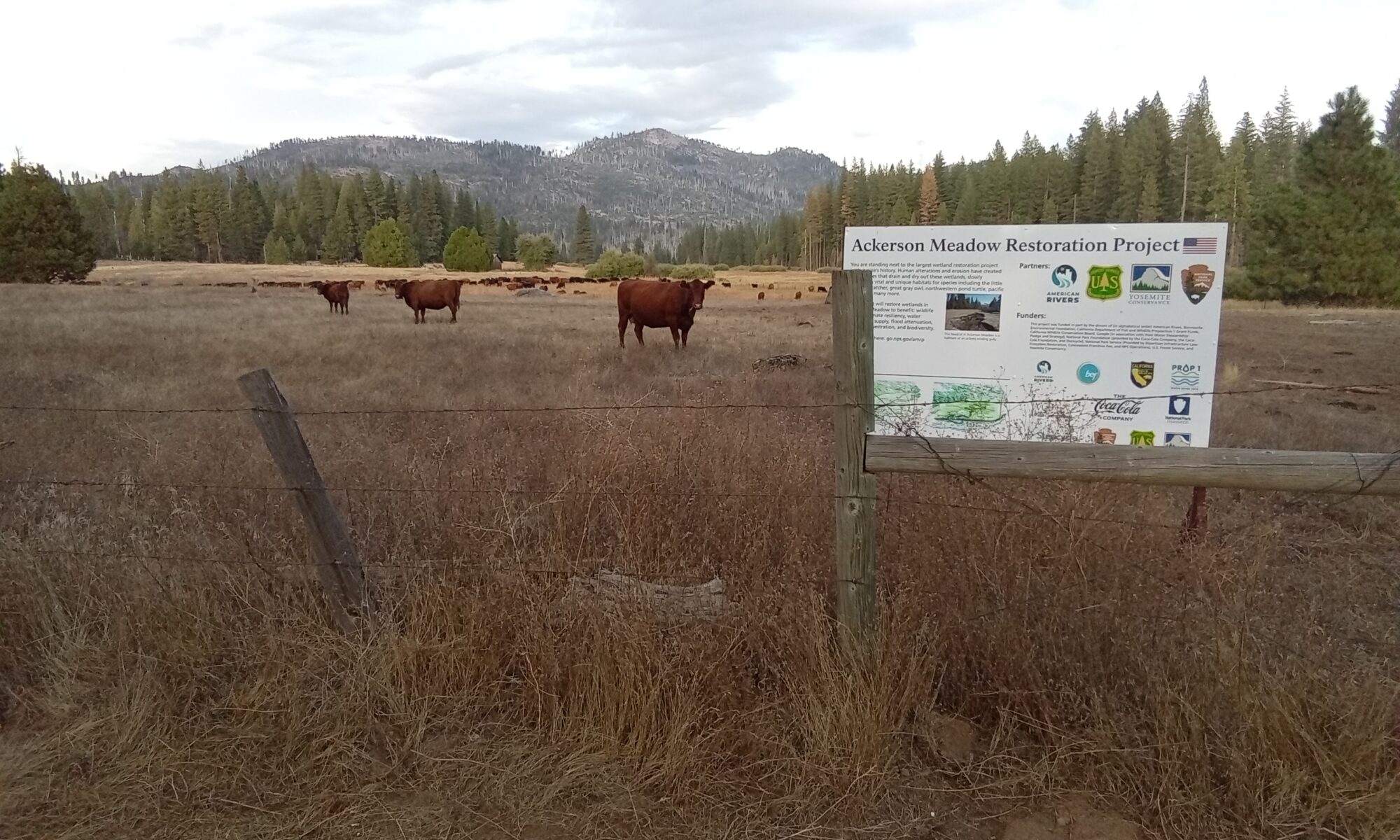
A portion of Ackerson Meadow remains in the Stanislaus National Forest, with an active grazing lease. About 300 cattle are gathered here as part of the fall roundup, calf splitting, and prep for the drive down to winter grounds in the Central Valley.
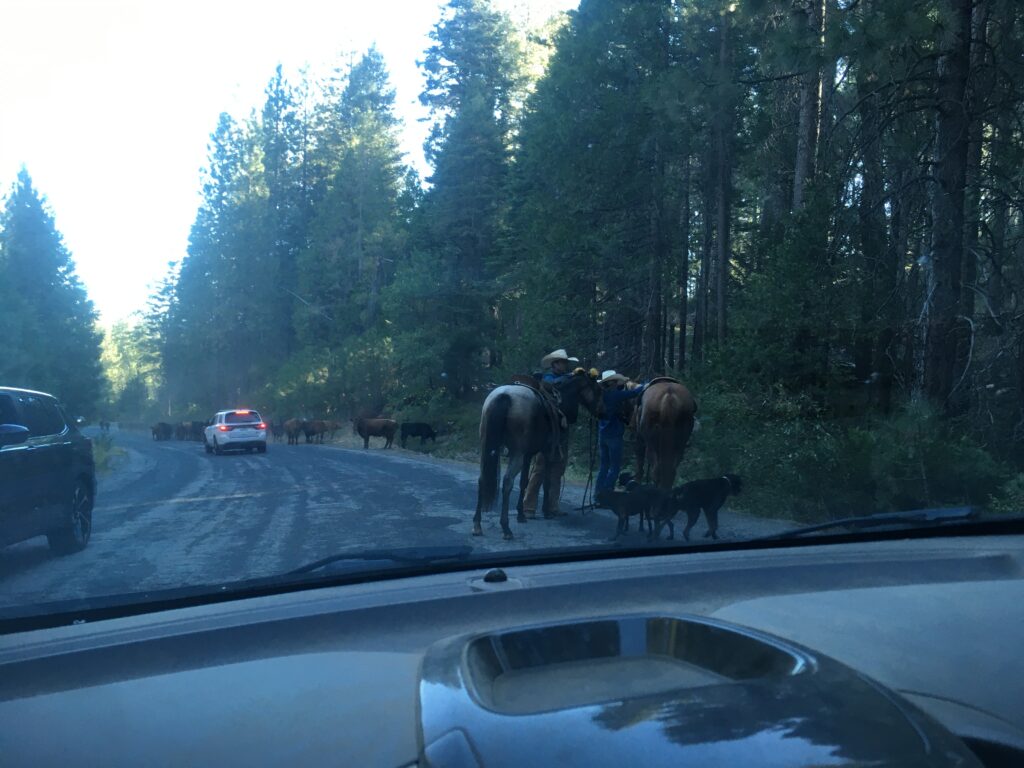
Cowboys and cattle dogs driving cattle down Evergreen Road to Ackerson Meadow. This is part of the longest remaining cattle drive in the state of CA. The calves were separated from their mothers this month, and next month the cows will be herded by horse-mounted cowboys about 50 miles down to their winter pastures in the Central Valley, utilizing highway 120 and its bridges over major rivers for part of the way.
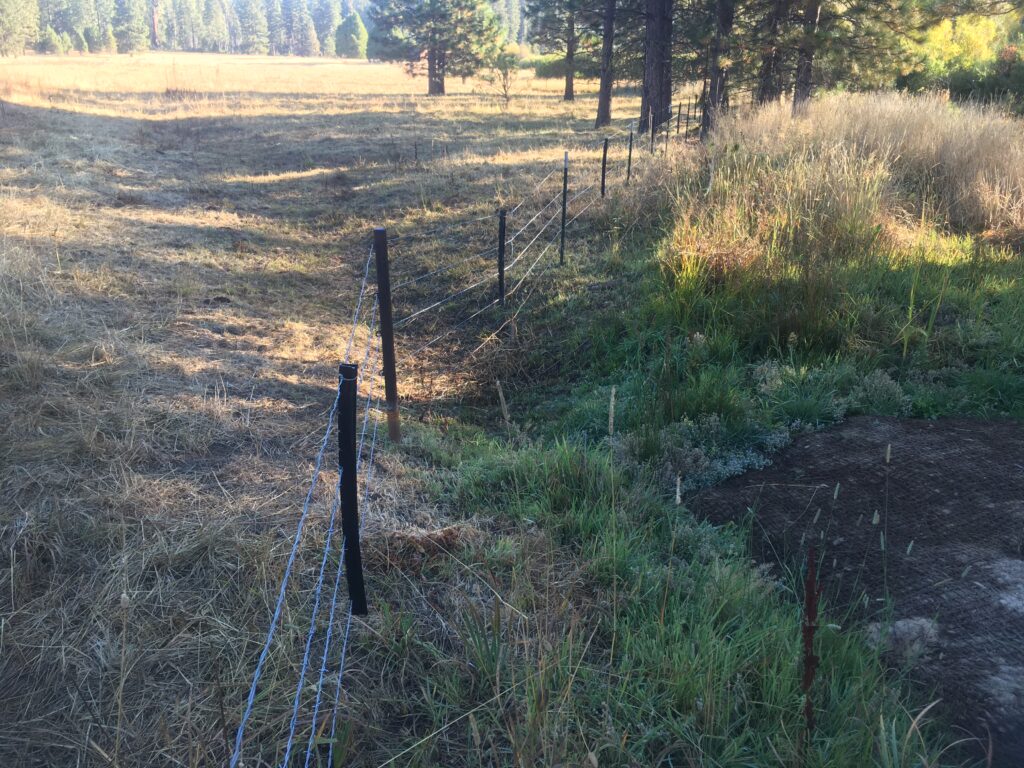
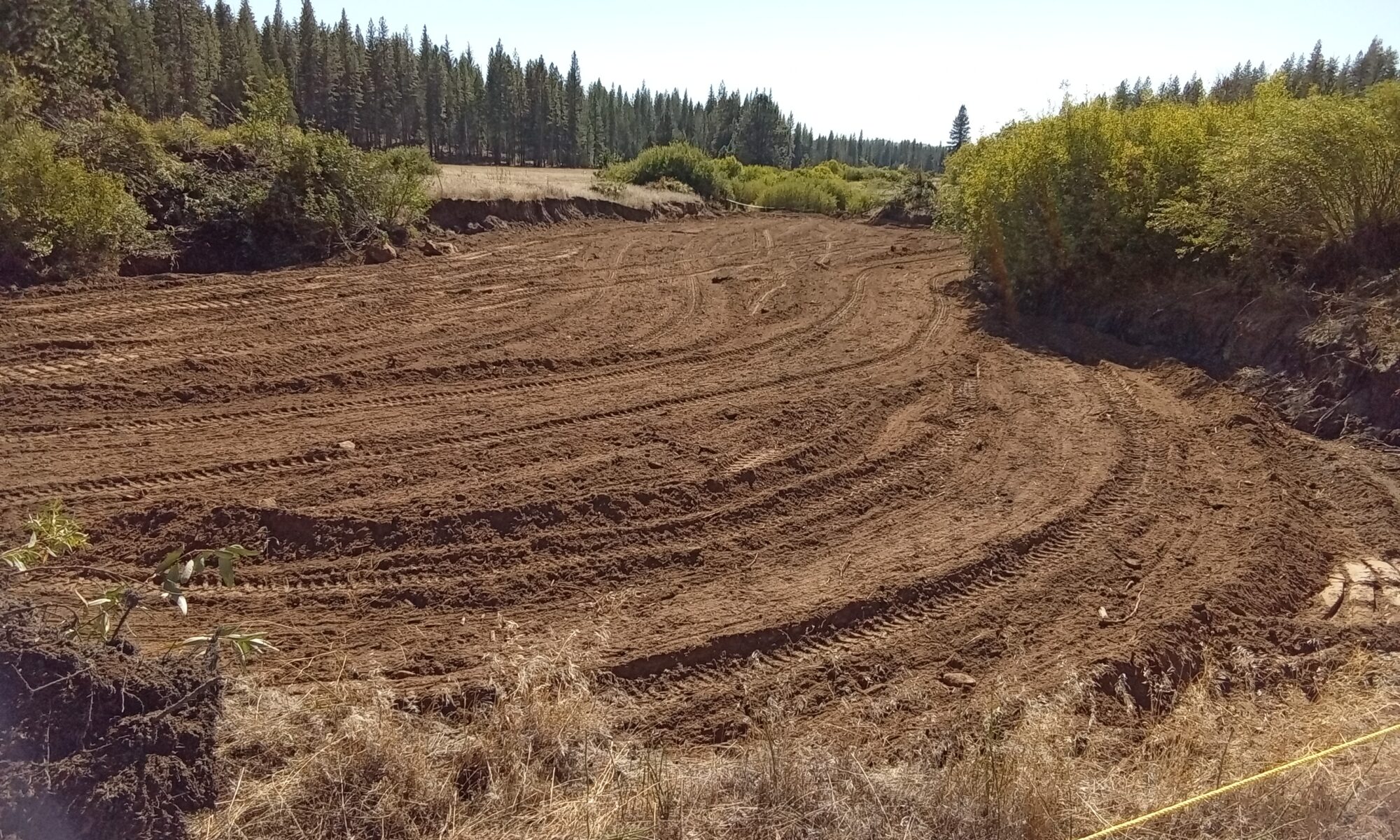
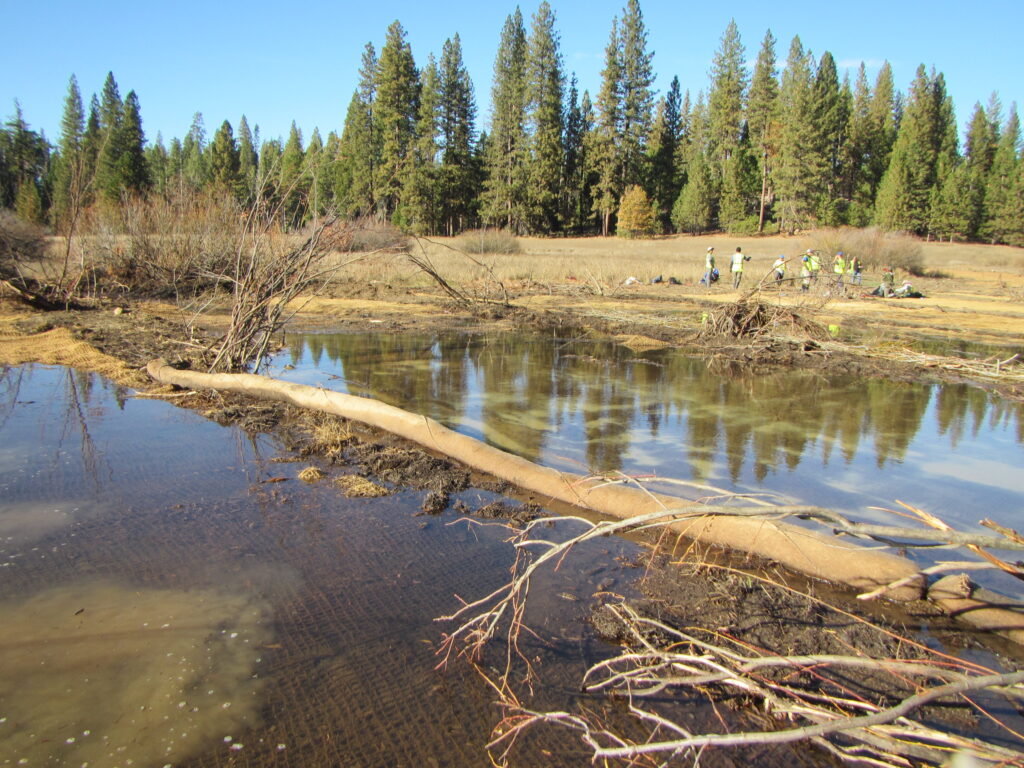
A fence separates the cattle gathering pasture at the left from the wetland restoration project to the right. Cattle will be excluded from the restoration for 3-5 years to allow plants to become densely established. Rewetted portions of unfilled meadow on the right are already thriving with ungrazed plants, whereas the small section of filled gully visible in the lower right is still mostly bare dirt with erosion blanket over it. The pasture to the left has been intensively grazed for a few days. Cattle squeezed their heads under the fence to get at the lush growth on the restoration side.
Ackerson Phase II is underway

Over the coming months the 7000-foot-long, 12-foot-deep, 100-foot-wide erosion gully in Ackerson Meadow will get filled in. Excavators are clearing out the gully to make way for the haul trucks to dump the fill soil that bulldozers will spread out and pack down in layers. As they move down the gully, the excavators pluck out willows by the root ball and set them aside for replanting in the filled surface. The narrow ribbon of wetland sod that fringes the bed of the erosion channel is similarly salvaged. By filling in the gully up to the level of the surrounding meadow, the human-caused change in the shape of the land (the geomorphology) is returned to its natural state. This restored geomorphology allows water to flow as it once did: spread out across the 1000-foot-wide valley as shallow slow flow rather than confined to a deep erosive torrent in a narrow erosion gully. The restored water flow (the hydrology) will rewet the entire valley, growing dense wetland plants where there is currently cheat grass and sand. That wetland vegetation will hold the soil in place, add organic matter underground, and provide habitat and food for a broad array of wildlife. It’s amazing to see the transformation taking place.