Happy Darwin Day, 2026

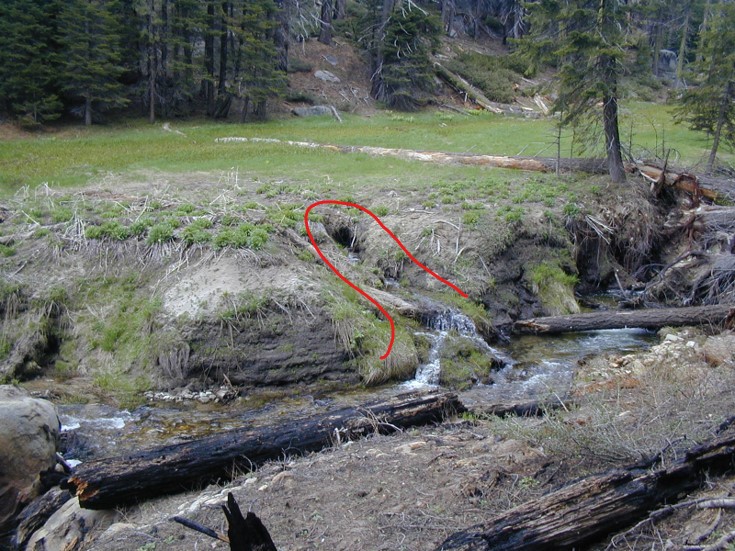
A mountain beaver burrow (outlined in red) draining Halstead Meadow into the former (now restored) erosion gully.

Charles Darwin was born 217 years ago today and he went on to develop the most important concept in biology and ecology: Evolution. I recently listened to a wonderful talk, sponsored by Bay Nature, about the evolution of a weird little animal that I’ve only seen once in the wild, the mountain beaver, Aplodontia rufa. These burrowing rodents live along the margins of Sierra Nevada wetlands and I’ve often seen their tunnels draining water from flooded areas to lower, drier erosion gullies.

Dr. Samantha Hopkins, paleontologist at the University of Oregon, described the fossil evidence for the 40 million year old lineage that has left A. rufa as the only living representative. Dr. Hopkins highlighted one of the odd things about modern mountain beavers: they have no loops of Henle in their kidneys. The loops allow for more concentrated urine and reuse of water. Without the loops, mountain beavers lose a lot of water in their urine and thus have a high water demand. Which is why they hang out near wetlands! Researchers have assumed that this lack of loops is a primitive trait, inherited from a long-extinct ancestor that the Aplodontia line shared with other rodents.

However, Dr. Hopkins’ lab is using isotopic analyses of fossil teeth to show that extinct ancestors probably did possess the ability to concentrate urine, and the lack of loops in modern mountain beavers is not an inherited “primitive” trait, but rather a more recently evolved one. Evolution works in weird and wonderful ways. The water-inefficient kidneys of the mountain beaver probably have some benefit for survival. At the very least, they keep the little animals close to some of the most beautiful places on earth!
World Wetlands Day 2026

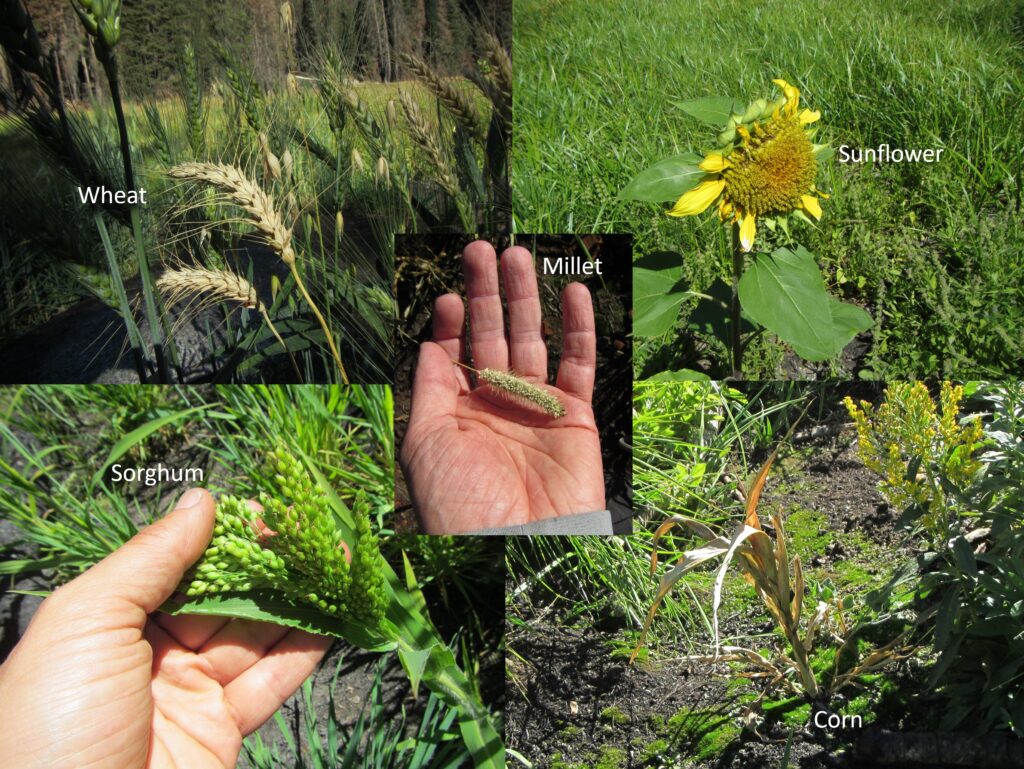
Five crop plants that grew in Halstead Meadow during the summer of 2022, in patches burned in the 2021 KNP Complex fire.

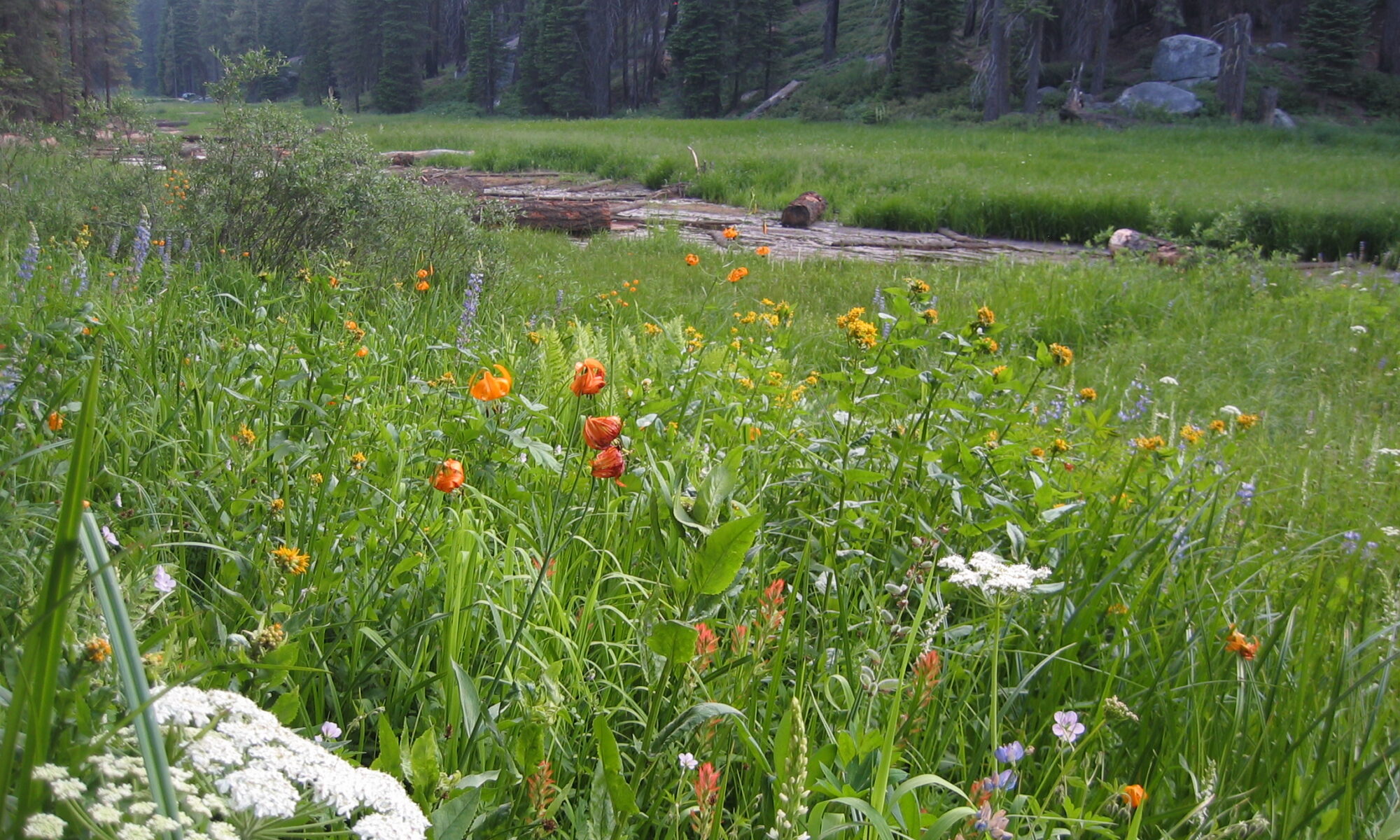
Wetlands are wonderful places, as people have known for thousands of years. Their rich soil and abundant water make for excellent crop land, usually once some of the abundance of water has been drained away. At Halstead Meadow, a wetland in Sequoia National Park, a group of crop plants sprouted out from the ashes in patches burned in the 2021 KNP Complex wildfire. These agricultural plants – wheat, sunflower, millet, sorghum, and corn – grew only in the summer of 2022, and only in areas where the KNP fire had burned away the top 4-6 inches of organic wetland soil. The seeds had probably been lying dormant, buried under wetland soil, since they were planted over a century ago before Sequoia National Park existed. Back then a cattleman named Sam Halstead had used this meadow for grazing, and apparently for growing a few crops! I collected leaf and seed samples from each of these plants and they’re sitting in my freezer. I’m hoping to find a expert in crop varieties who would be willing to analyze the genetics of these plants to see if they belong to old crop lineages. Wetlands preserve a wealth of fascinating stories.

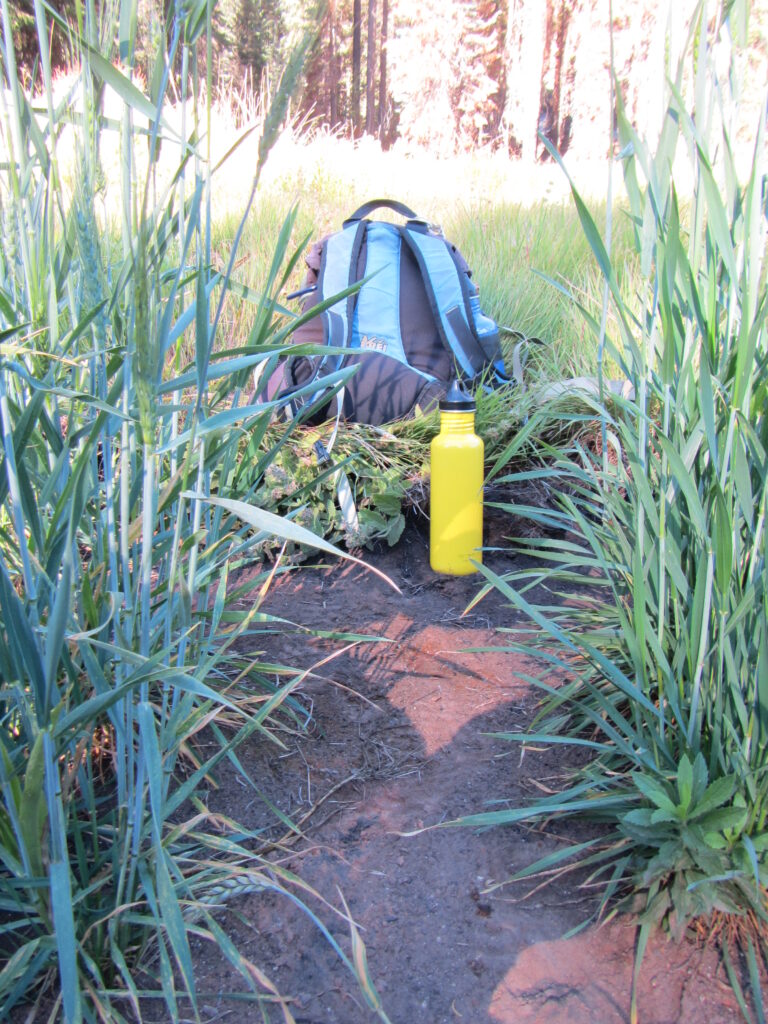
Four to six inches of soil depth were burned away in 2021. In 2022, when this picture was taken, crops such as the wheat seen here in the foreground were found growing out of the exposed soil layer within the burned patches.

Restore wetlands to improve grazing lands

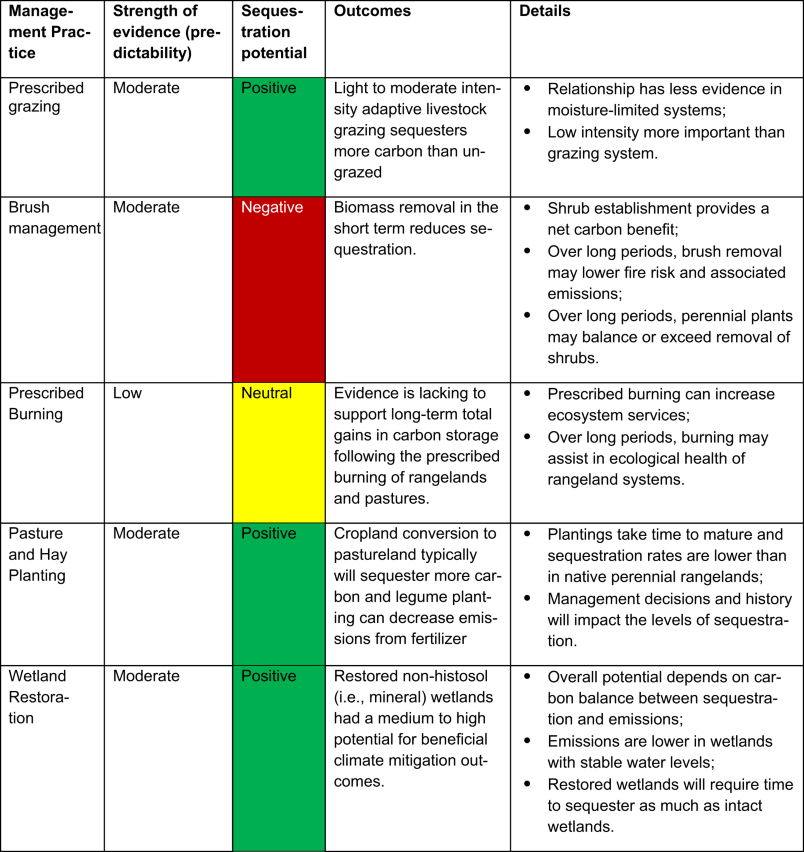
A recent review of research into how best to enhance carbon storage on grazed lands in the US identified wetland restoration as one of the most effective practices. Almost all of the wetland research and restoration projects that I have worked on were impacted by grazing, so the broad findings from this paper correspond well to my focused experience.

“…there is strong evidence to support that wetland restoration can be an effective climate mitigation strategy for sequestering SOC [soil organic carbon] and restored wetland systems can have similar GHG [greenhouse gas] emissions to pre-established wetland systems.”

Hot off the press: 20 years of research in Yellowstone

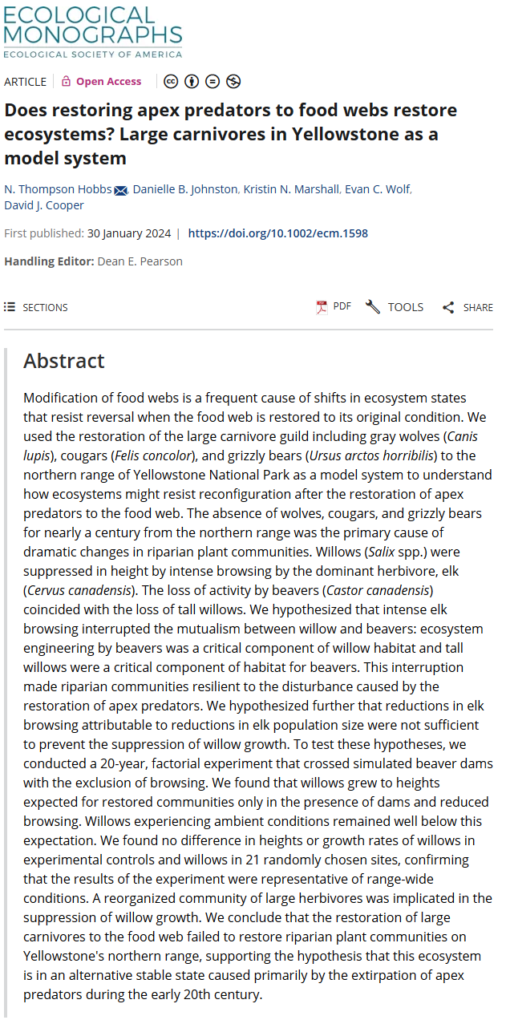
I started my professional ecological research with my Masters project in Yellowstone National Park more than two decades ago. During that project I helped establish the long-term research plots and data collection methods that led to this just-published summary of what happens when willows are protected from browsing and have extra water provided by simulated beaver dams.

As we hypothesized, the small streams in Yellowstone that used to support resident beaver for centuries, but lost them in the 1920s-1930s, have not seen a rapid recovery of willow just because wolves were reintroduced in the 1990s. Nor have the beavers returned in significant numbers. The impacted ecosystem, where streams eroded through the long-abandoned beaver dams and dried out conditions for willows, needs more than just reduced browsing pressure to recover.

Here’s a TikTok-er doing a good job summarizing our paper: https://www.tiktok.com/@natureexperienced/video/7331856319521017119

@natureexperienced

Read the paper! “Does restoring apex predators to food webs restore ecosystems? Large carnivores in Yellowstone as a model system” in Ecological Monographs. #Wolf #Yellowstone #Wildlife #Biology #Ecology #Science #Beavers #Nature #Research

♬ original sound – Nature Experienced

Click image below to go to free online paper: